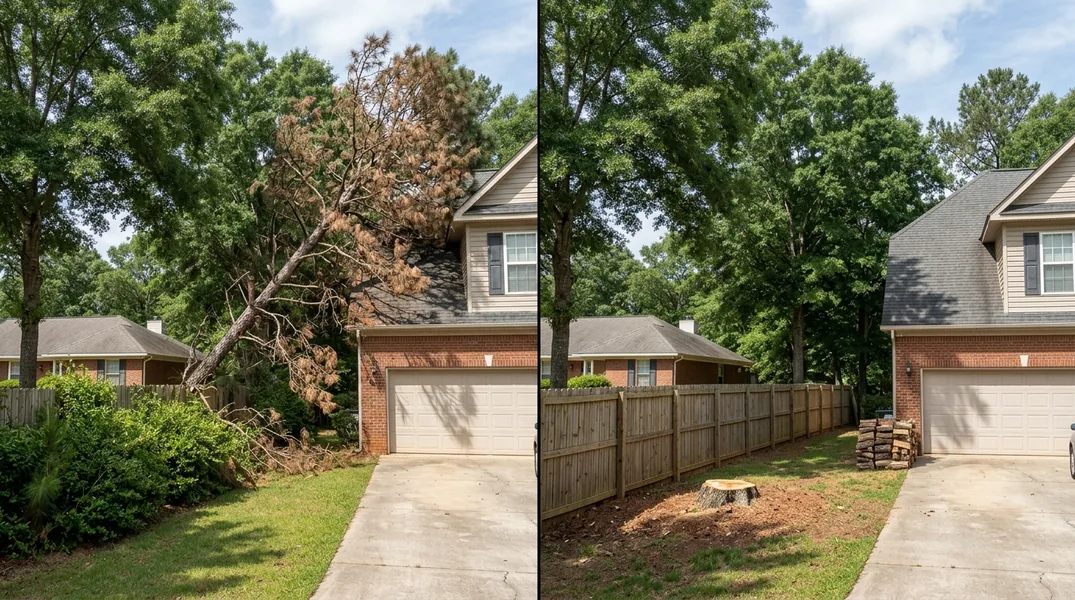
Understanding Columbus, Georgia Tree Ordinances
Before you grab a chainsaw or hire someone to remove a tree from your property, it's essential to understand the regulations governing Columbus, Georgia tree removal. Like most municipalities, Columbus has specific ordinances designed to protect the urban forest while balancing property owner rights. The Muscogee County area, which includes Columbus, maintains guidelines that apply to both public and private tree removal projects.
The primary purpose of these regulations is twofold: to preserve mature trees that contribute to the community's environmental health and aesthetic appeal, and to ensure that tree removal activities don't create safety hazards or damage infrastructure. Whether you're dealing with a diseased oak in your backyard or a hazardous pine near your home, knowing what rules apply can save you from costly fines and legal complications. Property owners in Columbus should familiarize themselves with these requirements before taking any action.
Tree Removal Permit Requirements in Columbus, GA
One of the most common questions homeowners ask is whether they need a tree removal permit in Columbus. The answer depends on several factors, including the size of the tree, its location, and whether it's considered a protected species. Generally, trees with a trunk diameter of six inches or larger may require a permit before removal. This threshold exists to prevent the indiscriminate removal of established trees that provide environmental benefits like shade, air quality improvement, and stormwater management.
To obtain a tree removal permit in Columbus, you'll typically need to submit an application to the city or county planning department. The application should include details about the tree's location, species, size, and the reason for removal. Common acceptable reasons include disease, structural damage, safety hazards, or legitimate development projects. The review process usually takes several business days, and arborists may inspect the property to verify that removal is genuinely necessary. Attempting to remove a protected tree without proper authorization can result in significant fines and legal action.
Private Yard Trees: What You Can and Cannot Remove
Many homeowners assume they have complete freedom to remove any tree on their own property, but this isn't always the case in Columbus. While you do have more flexibility with trees in your private yard compared to public spaces, restrictions still apply. Heritage trees, which are typically defined as native species exceeding a certain age or size threshold, may be protected even on private property. Additionally, if your property is part of a historic district or subject to a conservation easement, additional regulations may apply.
The best approach before removing any significant tree from your yard is to contact the Columbus Planning and Zoning Department or your local code enforcement office. They can tell you whether your specific tree requires a permit and what documentation you'll need. We understand the local regulations and can guide you through the permitting process. Call us at (706) 786-4955 to discuss your situation, or request a free estimate for your removal project.
Right of Way Tree Removal in Columbus, GA
Right of way trees are those located in the strip of land between the street and your property line, or along utility easements. These trees often fall under different regulations than those in your private yard because they affect public safety and utility infrastructure. In Columbus, right of way tree removal typically requires approval from the city or county, and sometimes from utility companies if power lines are involved. The municipality has an interest in maintaining these trees for shade and stormwater management, but also in preventing hazards to pedestrians and vehicles.
If a right of way tree is diseased, damaged, or posing a safety risk, you should report it to the appropriate city department rather than attempting removal yourself. The city may handle the removal at public expense, or they may grant you permission to remove it if you're responsible for the hazard. Never remove a right of way tree without explicit written permission, as penalties can be severe. If you're dealing with a hazardous right of way tree and need immediate action, our Emergency Tree Service team can help coordinate with city officials and handle the work safely and legally.
Protected Tree Species and Heritage Trees
Certain tree species in Columbus and Muscogee County receive special protection due to their ecological or cultural significance. Native species such as live oaks, longleaf pines, and sweetgum trees may have additional restrictions. Heritage trees, defined as trees meeting specific age, size, or species criteria, are often protected regardless of location. Removing a protected tree without authorization can result in fines ranging from hundreds to thousands of dollars, plus requirements to replant replacement trees.
If you have a protected tree on your property that needs attention, removal may not be your only option. Tree Trimming & Pruning can often address health or safety concerns while preserving the tree. Professional arborists can assess whether a tree can be saved through proper care or if removal is truly necessary. If removal is unavoidable, we can help you navigate the permitting process and ensure compliance with all local regulations. Contact Columbus Tree Service at (706) 786-4955 to discuss your options.
After Removal: Stump Grinding and Site Restoration
Once a tree has been legally removed from your Columbus property, you may still have obligations regarding site restoration. Depending on local codes, you might be required to grind the stump, remove debris, and restore the area. Some municipalities require replacement planting if a protected tree was removed, meaning you'll need to plant a new tree of appropriate species and size. These requirements ensure that your property maintains its aesthetic value and contributes to the community's green space.
Stump Grinding is an efficient way to eliminate the remaining tree base and prepare your yard for new landscaping or construction. Professional stump grinding removes the stump below ground level, eliminating trip hazards and preventing regrowth. Columbus Tree Service offers complete post-removal services to ensure your property is left in excellent condition and fully compliant with local regulations. Whether you need stump removal, debris hauling, or site restoration, our team has the expertise and equipment to handle it. Get a free estimate for your complete project.
Looking for a professional tree service contractor in Columbus? Columbus Tree Service responds fast for all your tree service needs.
Get a Free QuoteOur services: Tree Removal · Tree Trimming & Pruning · Stump Grinding