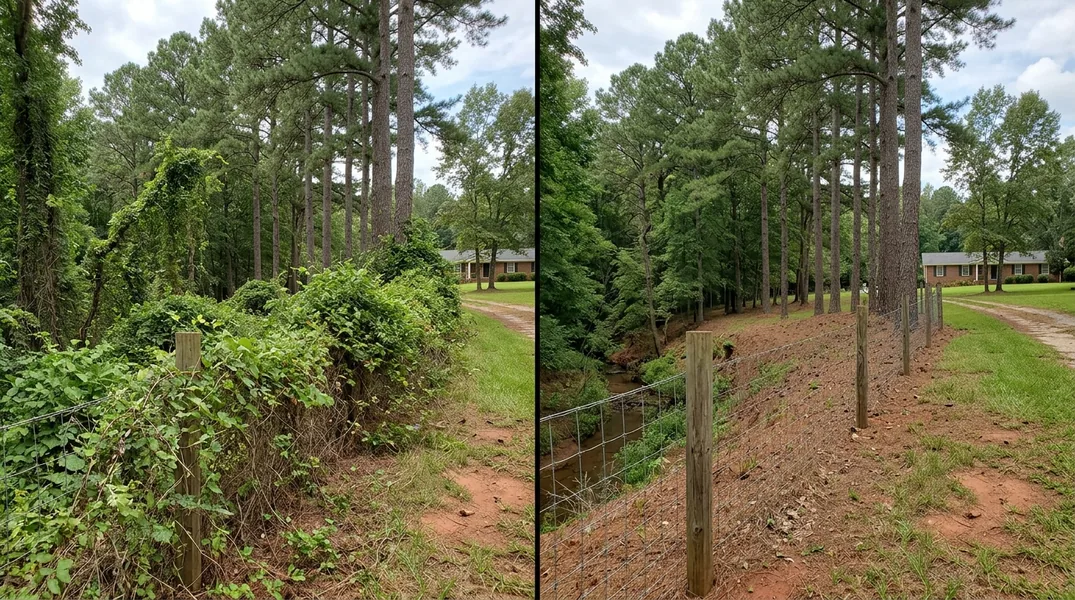
Understanding Storm Damage to Trees in Columbus
When severe weather rolls through Columbus, trees often bear the brunt of the impact. Thunderstorms, tornado warnings, and the remnants of tropical systems can cause significant storm tree damage Columbus GA homeowners aren't always prepared for. High winds snap branches, uproot shallow-rooted trees, and create hazardous debris that threatens homes, vehicles, and power lines. Understanding how storms affect your landscape is the first step toward protecting your property.
Trees that appear healthy on the surface may have hidden vulnerabilities. Weak branch attachments, internal decay, or compromised root systems can fail suddenly when wind speeds exceed 40 to 50 miles per hour. Hurricane remnant tree damage Georgia residents experience often stems from trees that were already stressed or structurally unsound before the storm arrived. This is why proactive assessment and maintenance matter far more than reactive cleanup after a disaster strikes.
Why Preventive Tree Trimming Columbus Matters Before Storm Season
Tree Trimming & Pruning isn't just about aesthetics or keeping your yard neat. Preventive trimming is one of the most effective ways to reduce storm damage risk and protect your investment. When arborists remove dead branches, thin crowns to reduce wind resistance, and eliminate crossing limbs, they significantly decrease the likelihood of failure during high winds. A well-maintained tree is far more resilient than an overgrown, neglected one.
Professional preventive tree trimming Columbus services focus on structural integrity. Experienced arborists know which branches to remove and which to preserve to maintain the tree's natural shape and strength. They eliminate branches that rub against each other, remove those growing inward toward the trunk, and cut away any dead wood that could become projectiles in a storm. This type of targeted pruning can reduce the overall wind load on a tree by 20 to 30 percent, making a real difference when severe weather arrives.
The timing of trimming also matters. Late winter and early spring are ideal windows for most tree species in Columbus, allowing trees to heal before the stress of summer heat and the threat of fall and winter storms. Don't wait until June or July to address your trees. By then, storm season is already underway, and you've missed the optimal preparation window.
Storm Prep Tree Service: What a Professional Inspection Includes
A comprehensive storm prep tree service begins with a detailed inspection of every tree on your property. Professional arborists evaluate branch structure, look for signs of disease or pest damage, assess root health where visible, and identify any hazardous conditions. They'll check for cavities, cracks in the trunk, included bark (where branches attach weakly), and overall lean or imbalance. This assessment takes time and expertise, but it reveals problems you might never notice on your own.
During the inspection, professionals also consider your tree's species and age. Some trees are naturally more susceptible to storm damage than others. Fast-growing species like silver maples and willows tend to have weaker wood and more brittle branches. Older trees with large canopies may need more aggressive thinning to reduce wind resistance. The arborist will recommend a customized plan that addresses your specific trees and your property's exposure to wind.
Beyond individual tree assessment, storm prep includes evaluating how trees interact with your home and surroundings. A tree that's healthy but growing too close to your roof creates a hazard. Branches overhanging power lines pose risks to utilities and your safety. Professional inspectors identify these issues and recommend solutions, which might include Tree Removal, targeted pruning, or cabling for support.
Recognizing Trees at High Risk of Storm Failure
Not all trees fail equally during storms. Certain characteristics make trees more vulnerable to damage and collapse. Trees with large, heavy canopies and relatively thin trunks are at higher risk, especially if they've been topped or heavily pruned in the past. Trees with multiple stems growing from the same point often have weak attachments and split apart easily. Dead or dying trees are obvious hazards, but trees that look alive can also fail if internal rot or disease has compromised their structure.
Location matters too. Trees growing in poor soil, compacted ground, or areas with limited root space are more likely to be uprooted. Trees that have been topped (cut back to stubs) years ago often develop new growth with poor attachment points that fail in wind. If you notice any of these warning signs on your property, contact Columbus Tree Service at (706) 786-4955 to schedule an evaluation. Early intervention can prevent disasters.
Leaning trees, especially if the lean has developed recently, often indicate root problems or structural weakness. Bark damage, large cavities, or sections of missing bark expose the tree to disease and weaken its integrity. Mushrooms or fungal growth on the trunk suggest decay inside. Any combination of these factors should prompt immediate professional assessment before storm season intensifies.
Creating Your Storm-Ready Landscape Plan
Preparing your landscape for storm season requires a strategic approach. Start by identifying which trees pose the greatest risk to your home, garage, deck, pool, or vehicles. These should be your priority for inspection and maintenance. Next, assess trees near power lines or property lines, as these often face restrictions on how they can be trimmed and may require professional expertise to navigate safely and legally.
Work with experienced arborists to develop a multi-year maintenance plan if you have many trees. You don't need to trim everything at once, but you should address the highest-risk trees before peak storm season. In Georgia, this typically means completing major work by mid-summer. Document your tree maintenance efforts and keep records of inspections and work performed. This documentation is valuable for insurance purposes if storm damage does occur.
Consider whether any trees should be removed entirely. Sometimes the safest option is Tree Removal, especially for trees that are dead, diseased, or structurally compromised beyond reasonable repair. After removal, you might plant new trees in better locations or species better suited to your property and climate. Your arborist can offer recommendations for storm-resistant species that will thrive in your landscape for decades to come.
Getting Started: Contact Columbus Tree Service for Your Free Storm Prep Estimate
Don't wait until a storm warning is issued to address your trees. Columbus Tree Service offers comprehensive storm preparation services designed to protect your property and family. Whether you need preventive tree trimming Columbus residents trust, complete tree removal, or Stump Grinding after storm cleanup, we have the expertise and equipment to handle the job safely and professionally.
Call us today at (706) 786-4955 or visit our website to request a free estimate. We serve Columbus and surrounding areas, and we're ready to help you prepare for whatever weather the season brings. Storm season doesn't have to mean anxiety about your trees. With proper preparation and professional care, you can face thunderstorms, tropical remnants, and severe weather with confidence.
Looking for a professional tree service contractor in Columbus? Columbus Tree Service responds fast for all your tree service needs.
Get a Free QuoteOur services: Tree Removal · Tree Trimming & Pruning · Stump Grinding